
"Burundi harvest 2024"
32000 article(s) found

The sweetness of fruit and the rich coffee flavor of Chilmel Manor in Rwanda. Introduction to fine coffee.
Rwanda is located in the south of the equator in east-central Africa, a landlocked country. It is bordered by Tanzania to the east, Burundi to the south, Zaire to the west and northwest, and Uganda to the north, with a land area of 26338 square kilometers, ranking 149th among all countries in the world and close to Burundi, Macedonia, Haiti and Albania. Rwanda is located in east-central Africa, bordered by the Democratic Republic of the Congo to the west.

Burundi Burundi Bulondi Champion processing Factory Cayanza Province
Coffee made from fine coffee beans. Now the coffee is mainly made by hand-brewing coffee to give full play to the flavor of the coffee bean itself. Boutique coffee does not have a bad effect on people's health, but drinking it in moderation is beneficial. Burundian coffee bears a striking resemblance to neighboring Rwanda, where coffee from the two countries is often confused. Coffee from Burundi

Coffee producing area of Cayansa Province, Burundi introduces the history and current situation of coffee cultivation in Burundi.
For professional baristas, please follow the coffee workshop (official Wechat account cafe_style) about Burundian Coffee Burundi is a small landlocked country in central Africa on the Great Rift Valley, bordering Tanzania, Congo and Rwanda. It is slightly smaller than Taiwan and has a large population, making it the second most densely populated area in Africa. There are great ups and downs in the territory, and there is a famous tan in the southwest.

Almond-scented boutique coffee beans in Burundi A brief introduction to geographical location, climate and altitude
Coffee production in Burundi: Burundian coffee is now grown only on small farms. Almost all coffee produced in Burundi is Arabian coffee beans, while coffee trees in Ngozi are planted at an altitude of more than 1200 meters. Suggested roasting method: medium to deep roasting ★★: good Burundian coffee market: Burundian coffee products are mostly exported to the United States,

Aromatic Burundi Fine Coffee Bean Origin History and Culture
Burundi has two main ethnic groups, the Tutsi, who number only about one and a half, have ruled the country since the sixteenth century and control a civilian population composed mainly of Hutu, plus a very small indigenous population of Twa. This abnormal social structure in which ethnic minorities occupy a high position has buried the evil seeds of national instability, and in 1

A brief introduction to the treatment method of grinding degree and baking degree of Burundi boutique coffee beans
Total score (maximum 100): not applicable strength / main attributes: strong / sweet, fruit flavor, spicy aftertaste. Recommended roasting degree: full city Burundian coffee features: Burundi has the most diverse and successful coffee industry in the world, and has its own characteristics. Burundian coffee is fragrant and has excellent acidity.

History, culture and taste characteristics of Burundian coffee
Following Ka Pai (Wechat official account vdailycom) found that the Beautiful Cafe opened a small coffee shop of its own and came to Burundi at the end of the 20th century during the Belgian colonial period. Since 1933, each farmer has been required to take care of at least 50 coffee trees. When Burundi became independent in 1962, coffee production began to become private; in 1972, it became state-run with the change of political situation; since 1991

The taste of Burundian coffee beans is very pure. Introduction to the characteristics of fine coffee beans in the manor area.
Traceability is a common problem faced by coffee growers, raw bean buyers and coffee roasters. There are currently about 3500 families working for LMCP. Production harvesting areas are distributed on eight different hilltops and two processing plants Bukeye (operational in 2013) and Heza (operational in 2014). Many variables will affect the quality of the final raw bean, such as

A brief introduction to the history and culture of the origin and development of Burundi Luo boutique coffee beans with almond aroma.
Burundi coffee was introduced by Belgian colonists in 1930. Unfortunately, many of these farms are on the border with war-torn Rwanda, putting pressure on coffee production. Coffee production in Burundi: Burundian coffee is now grown only on small farms. Almost all the coffee produced in Burundi is Arabian coffee beans.

A brief introduction to the cultivation of fine coffee beans in Burundi with excellent acidity, geographical location, climate and altitude
Burundian coffee market: most of Burundian coffee products are exported to the United States, Germany, Finland and Japan, Burundi, with highlands and mountains, mostly composed of the plateau on the eastern side of the East African Rift Valley, with a national average elevation of 1600 meters, known as a mountain country. According to the topography of Burundi, it can be divided into three regions: the western plain, along the Ruzizi River, and the Rift Albrtine plain.

Burundi
The coffee produced in Burundi is directly related to its own climate and topography, has won a lot of international awards, and has now become a pillar industry in Burundi. So those who are interested can have a taste. Generally speaking, Burundi coffee has a mellow taste and moderate acidity. Burundi (Burundian) has the most varied and successful coffee industry in the world.

Burundi Coffee Flavor Description Grindness Characteristics Variety Producing Area Taste Fine Coffee Introduction
Burundi coffee was introduced by Belgian colonists in 1930. Unfortunately, many of these farms are located on the border with war-torn Rwanda, putting pressure on coffee production. Coffee in Burundi: Burundi Coffee is now grown only on small farms. Coffee produced in Burundi is almost exclusively Arabica beans.

A brief introduction to the cultivation of fruit-flavored boutique coffee beans in Burundi, geographical location, climate and altitude
There are many plateaus and mountains in Burundi, most of which are made up of the plateau on the east side of the East African Rift Valley. The national average elevation is 1600 meters, which is known as the mountain country. According to the topography of Burundi, it can be divided into three regions: the western plain, along the Ruzizi River, the Rift Albrtine plain, 774 to 1000 meters above sea level; and the central and western mountains, with an average elevation of 1700 meters, with the highest peak in Bujumbura.
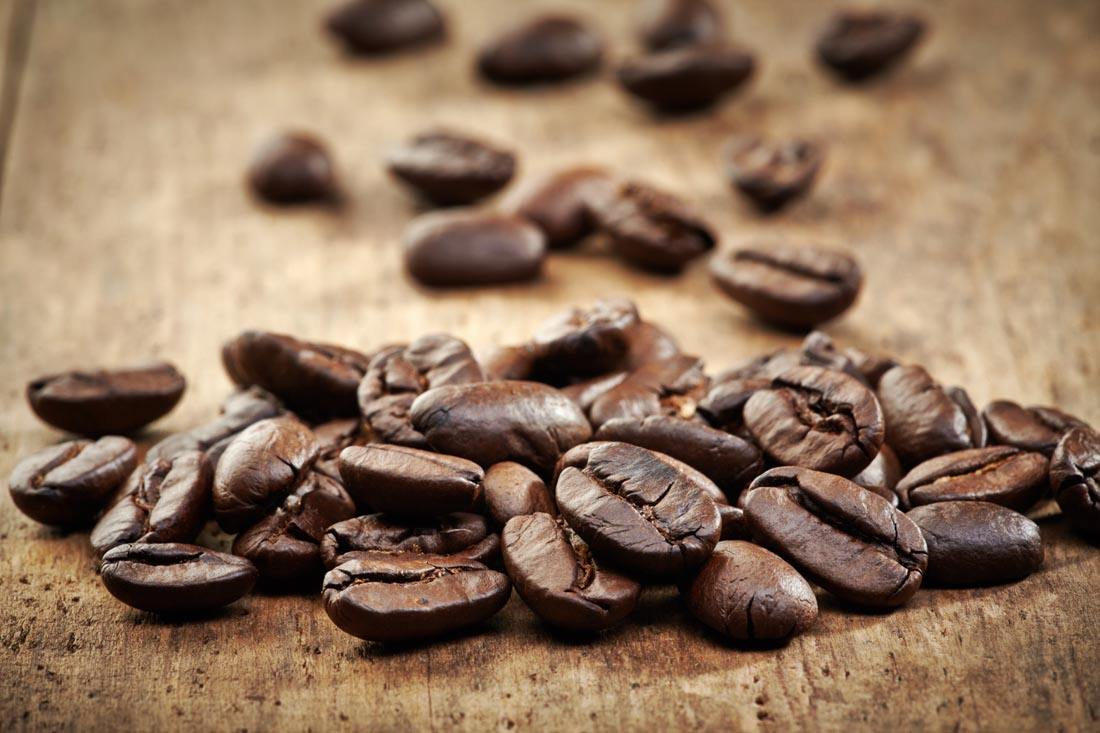
Beans from Burundi and Rwanda smell like potatoes?
Following Cafe Review (Wechat official account vdailycom) found that Beautiful Cafe opened a small shop of its own. Coffee production is mainly concentrated in Africa, Asia and the Americas. Other states also have, that is, their scale and output are slightly smaller. Among them, there are seven major producing areas in Africa. Today, Lao WA recorded producing areas in Burundi and neighboring Rwanda. Some people say that both producing areas have a share of coffee beans.

Flavor Description of Burundi Fine Coffee Bean Taste Manor Area Treatment Introduction
Burundi fine coffee beans flavor description Taste estate production area treatment method Introduction capital Bujumbura population of 393,000 (2012) is Burundi political, economic and cultural center. Bujumbura was formerly known as usumbra. West of the border, north of the eastern end of Lake Tanganyika. The average annual temperature ranges from 22 to 26 degrees Celsius. The city has mountains and lakes on its back, pleasant climate and scenery.

Unique sweet fruit introduction to the coffee flavor and taste of Coffee Manor in Rwanda
Rwanda is located in the south of the equator in east-central Africa, a landlocked country. It is bordered by Tanzania to the east, Burundi to the south, Zaire to the west and northwest, and Uganda to the north, with a land area of 26338 square kilometers, ranking 149th among all countries in the world and close to Burundi, Macedonia, Haiti and Albania. Rwanda is located in east-central Africa, bordered by the Democratic Republic of the Congo to the west.

Rwanda Coffee Flavor description Variety producing area characteristics introduction of Fine Coffee
Rwanda is located in the south of the equator in east-central Africa, a landlocked country. It is bordered by Tanzania to the east, Burundi to the south, Zaire to the west and northwest, and Uganda to the north, with a land area of 26338 square kilometers, ranking 149th among all countries in the world and close to Burundi, Macedonia, Haiti and Albania. Rwanda is located in east-central Africa, bordered by the Democratic Republic of the Congo to the west.

Qianjie Burundi Burundi Bulundi micro-batch sunburn bourbon grows single boutique coffee in Kayanza province
Factory name: Qianjie Cafe address: No. 10 Baoqian Street, Yuexiu District, Guangzhou City, contact: 20-38364473 shelf life: 90 net content: 227g Packaging: raw and ripe degree of coffee beans in bulk: origin of coffee beans: other / other roasting degree: moderate roasting Burundi Kayanza Kabuye Natural country: Burundi growth: 1750 meters production area: Kaya

A brief introduction to the cultivation of aromatic boutique coffee beans in Burundi, geographical location, climate and altitude
There are two major ethnic groups in Burundi, and only about 15 percent of the Tutsi have ruled the country since the 16th century, controlling the civilian population, which is mainly made up of Hutu, plus a very small number of indigenous Twa. This abnormal social structure in which ethnic minorities occupy a high position has buried the evil seed of national instability, and in 1

Burundi Coffee Story Long Range Coffee Program Nkonge Hill Nikongiyama Processing Plant Information
Professional coffee knowledge exchange More coffee bean information Please pay attention to coffee workshop (Weixin Official Accounts cafe_style) Burundi is located in the east of Africa. It is a small landlocked country without sea. The land area of the whole country is only 28,000 square kilometers, but the people whose main income is agriculture are as high as 90%, of which coffee accounts for 80% of agriculture. The coffee industry is here, no bragging.